The Dying Art of Bruges Lace
Bruges was once the lace capital of Europe. A handful of women are keeping the tradition alive.
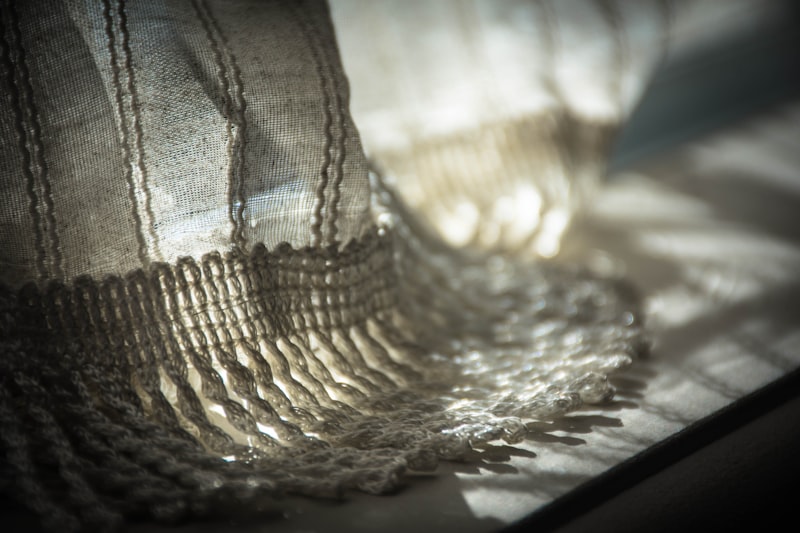
Bobbin lace-making has been part of Bruges since the 16th century. At its peak, thousands of women made lace that was exported across Europe. Royalty wore it. It was worth more than gold by weight.
Today, most of the "Bruges lace" sold in souvenir shops is machine-made in China. The real thing takes weeks or months to produce, involves dozens of bobbins wound with fine thread, and a level of patience that borders on meditative.
The Lace Centre (Kantcentrum) on Balstraat is the best place to see it done properly. They run demonstrations where you can watch lace-makers at work. It's a small museum — you can see everything in 45 minutes — but it's genuinely interesting.
If you want to buy real handmade Bruges lace, expect to pay accordingly. A small doily might cost €30-€50. A larger piece can run into hundreds.
It's the kind of craft that probably won't survive another generation. Which is exactly why it's worth seeing now.